Virtual Cards and Virtual Cheers: The Rise of Online Bingo Communities
Avery Patterson · Oct 13, 2026
Digital Bingo Expands Through Mobile Access and Cross-Border Player Networks
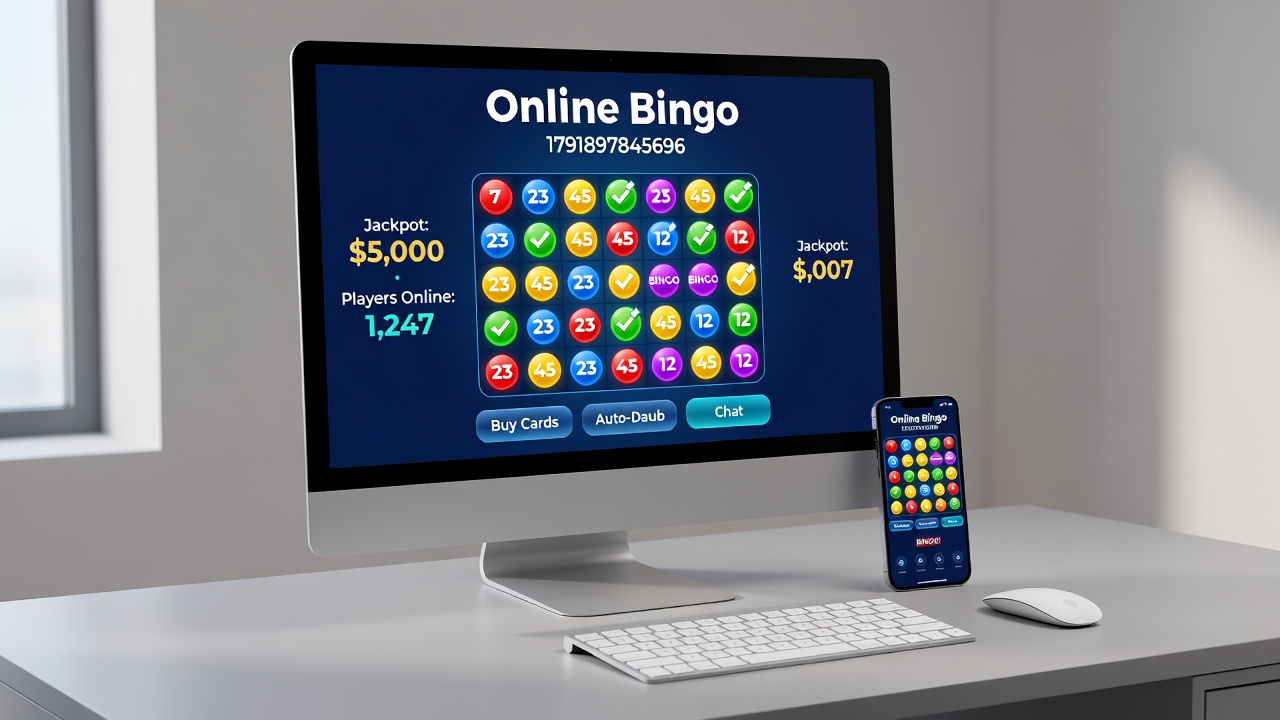
Online bingo operates through licensed platforms that deliver 75-ball and 90-ball variants to users across desktop and mobile interfaces, with gameplay centered on daubing numbers that match called sequences until patterns form on virtual cards. Data from industry reports shows participation rates climbing steadily as operators integrate real-time chat functions alongside automated number generation systems. Observers note that these features replicate the social elements once limited to physical halls while allowing simultaneous play across multiple rooms without geographic restrictions.
Mechanics and Platform Structures
Each session follows a structured sequence where players purchase virtual tickets, join scheduled games, and receive automated calls through software that ensures random outcomes verified by independent testing agencies. Research indicates most platforms maintain separate progressive jackpot pools that accumulate across connected sites, with wins triggered when specific patterns complete within designated call limits. Those who've examined operational data find that mobile applications account for the majority of session starts because push notifications alert users to upcoming rooms and allow quick re-entry after brief absences.
Payment processing occurs through established gateways that support multiple currencies and methods, with transaction logs recorded for regulatory compliance in jurisdictions that require them. Studies reveal average session durations range between fifteen and forty-five minutes depending on game speed settings, while chat moderation teams handle queries about rules, account balances, and technical issues in real time. And operators frequently run promotional ticket bundles that convert free entries into paid rooms once certain activity thresholds are met.
International Market Patterns
Participation varies by region according to licensing frameworks that differ between North American provinces, European member states, and Australian territories, each imposing distinct age verification and advertising standards. Figures from a 2025 analysis by the Canadian Centre for Gaming Research show steady growth in registered accounts among adults aged twenty-five to forty-five, driven by app-based access rather than desktop logins. Meanwhile, a separate report issued in October 2026 by the European Gaming and Betting Association documented increased cross-platform play where users move between bingo rooms and linked slot titles within the same ecosystem.
What's interesting is how regulatory timelines in various countries align with technology updates, such as mandatory responsible gaming tools that include session timers and deposit caps. Data shows these measures appear alongside expanded game libraries that now incorporate themed rooms tied to seasonal events or charitable causes. Observers note that community features like private tables for groups of friends have gained traction because they allow customized chat settings while maintaining the same random number algorithms used in public rooms.
Technology Integration and Security Measures
Encryption protocols protect user data during ticket purchases and chat exchanges, with third-party audits confirming compliance on an annual basis. Researchers discovered that artificial intelligence assists in fraud detection by flagging unusual betting patterns or multiple account logins from single devices. Those monitoring platform updates find that integration of live dealer elements, though less common than in other casino games, appears in select bingo variants where a visible host calls numbers through video streams.
Additional tools include auto-daub options that reduce manual input on smaller screens and history logs that display previous game results for review. Evidence suggests these conveniences contribute to higher repeat engagement rates without altering the underlying probability structures of the games themselves. But here's the thing: operators must balance automation with manual oversight to preserve the interactive atmosphere that distinguishes bingo from purely automated formats.
Conclusion
Online bingo continues to evolve through incremental platform refinements that prioritize accessibility, verification standards, and community retention across different regulatory environments. Available data points to sustained interest in both traditional number patterns and newer hybrid formats that blend bingo mechanics with adjacent game types. As mobile infrastructure improves in emerging markets, further expansion appears likely based on current participation trajectories documented by regional monitoring bodies.