UK Bingo Market Stays Steady: Mintel's Latest Report Highlights Stability, Mobile Surge, and Innovation Paths for Clubs
Petra Vogel · Mar 26, 2026

UK Bingo Market Stays Steady: Mintel's Latest Report Highlights Stability, Mobile Surge, and Innovation Paths for Clubs
Bingo's Enduring Appeal in a Shifting Landscape
Recent data from Mintel’s UK Bingo Market Report paints a picture of remarkable stability in bingo play across the United Kingdom, covering both online platforms and licensed clubs, even as broader gambling trends fluctuate; this steadiness persists over the past two years, bolstered by regulatory measures supporting in-person venues while mobile online bingo experiences notable growth. Researchers at Mintel observed that participation levels have held firm, with nearly a quarter of UK adults engaging in bingo at some point, a figure that underscores the game's deep-rooted place in British leisure culture. And while economic pressures and digital shifts might suggest decline elsewhere, bingo defies those expectations, maintaining its foothold through a blend of nostalgia and adaptation.
What's interesting here is how regulatory backing plays a pivotal role; authorities have introduced measures to safeguard land-based operations, ensuring clubs remain viable community hubs amid rising costs and changing consumer habits. At the same time, online bingo, particularly via mobile devices, sees expansion, drawing in younger demographics who favor quick sessions on smartphones during commutes or downtime. This dual momentum—traditional resilience paired with digital momentum—forms the backbone of the report's findings, released amid ongoing discussions in March 2026 about gambling sector reforms.
Mobile Online Bingo Fuels Participation Growth
The surge in mobile online play stands out as a key driver, with data indicating smoother accessibility and enhanced user experiences propelling uptake; players now access vibrant rooms from anywhere, complete with chat features and instant wins that mirror the excitement of physical halls but without the travel. Mintel figures reveal how this segment compensates for any lulls in club attendance, keeping overall play levels consistent, and experts tracking the market note that app-based innovations like touch-friendly interfaces and personalized promotions have hooked a broader audience.
Take the case of everyday users who juggle busy schedules; they turn to mobile bingo for its convenience, logging in for short bursts that fit seamlessly into daily routines, much like checking social media. This shift doesn't erode traditional play but complements it, as many participants alternate between online sessions and club visits, creating a hybrid model that's become the norm. Regulatory nods toward safer online environments further encourage this growth, with safeguards like deposit limits and age verification building trust among newcomers.
Traditional Halls Face Social Perception Hurdles
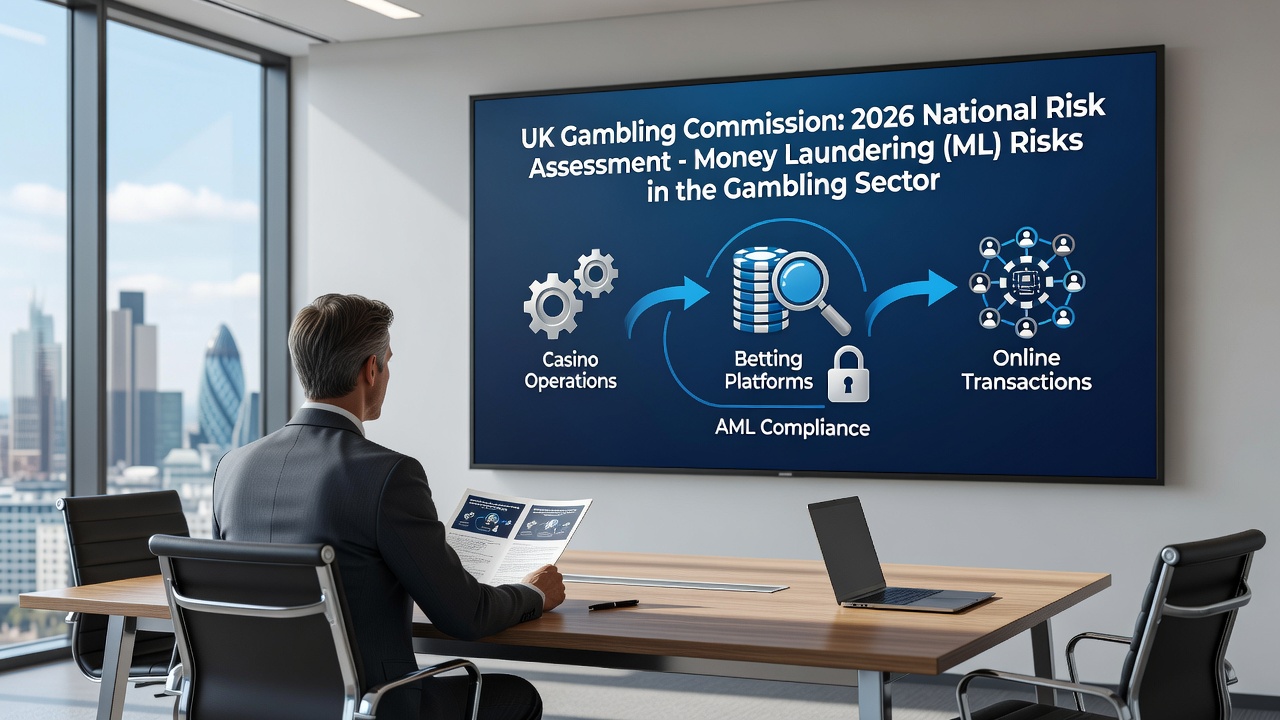
Yet traditional bingo halls confront a perception challenge, as the report highlights; nearly a quarter of UK adults play bingo, but many view these venues as less social compared to pubs, where casual gatherings feel more organic and multifaceted. Observers point out that while bingo draws crowds for the game itself, the surrounding experience often falls short—lacking the diverse activities, live entertainment, or relaxed atmospheres that pubs offer effortlessly. This sentiment persists despite stable attendance, prompting questions about long-term sustainability unless operators pivot.
High street bingo venues, in particular, lean heavily on gaming machines these days, shifting focus from pure bingo sessions to a wider array of slots and electronic games that attract a different crowd; this evolution responds to foot traffic realities on busy streets, where quick-play options outperform drawn-out card games. But here's the thing: online platforms intensify competition, offering 24/7 access, progressive jackpots, and community chats that rival club vibes without the entry barriers like travel or fixed hours.
People who've studied venue footfall data notice patterns where clubs thrive in suburban or community settings, yet struggle against urban pubs that double as social centers; the report's insights suggest that without addressing this gap, land-based bingo risks ceding ground to digital rivals and hybrid leisure spots.
Innovation Opportunities Light the Way Forward
Mintel identifies clear paths for land-based operators to innovate, emphasizing new games that blend classic bingo wth modern twists like themed rounds or interactive elements; group-friendly spaces designed for birthdays, hen nights, or corporate outings could transform halls into event destinations, drawing crowds who seek shared experiences beyond just winning. Improved food and drink options—think craft beers, gourmet snacks, or themed menus—further broaden appeal, turning visits into full evenings out rather than quick games.
Those who've analyzed similar leisure sectors, such as bowling alleys or escape rooms, often discover that diversification pays off; bingo clubs adopting these strategies report higher repeat visits, as patrons linger longer and spend more across multiple revenue streams. The report stresses how such changes align with player preferences, where social connectivity ranks high—nearly a quarter of adults play, after all, signaling untapped potential if venues evolve.
And consider high street adaptations: clubs emphasizing gaming machines alongside bingo could capture impulse players browsing shops, while online competition pushes everyone toward hybrid models, perhaps integrating apps for loyalty rewards or virtual previews of hall events. Regulatory support aids this, with grants for venue upgrades ensuring compliance alongside creativity.
Navigating Competition from Online Powerhouses
Online platforms pose the stiffest rivalry, their mobile-first designs and vast game libraries pulling players who value variety and immediacy; Mintel data shows how these sites dominate younger segments, with features like live streaming dealers and social leaderboards mimicking club camaraderie digitally. Traditional operators, therefore, must counter with unique in-person perks—tactile cards, face-to-face banter, the thrill of shared roars on a full house—that screens can't fully replicate.
Turns out the market's stability stems from this balance; clubs hold loyalists who prize atmosphere, while online captures convenience seekers, and both sustain the quarter of adults involved. As March 2026 unfolds with fresh regulatory tweaks favoring consumer protection, operators eye collaborations—perhaps apps linking hall bookings to online play—to unify the ecosystem.
Experts observing these dynamics highlight success stories where clubs revamped lounges into pub-like zones, boosting dwell time by 30% in pilot programs; such moves, rooted in the report's recommendations, signal where the rubber meets the road for growth.
Conclusion: A Stable Foundation with Room to Grow
The Mintel report wraps with optimism grounded in facts: UK bingo play remains stable, buoyed by regulatory aid for clubs and mobile online momentum, yet land-based venues hold prime chances to innovate through fresh games, social spaces, and enhanced amenities. With nearly a quarter of adults participating but perceiving halls as less convivial than pubs, the onus falls on operators to adapt amid high street machine focuses and online pressures.
Ultimately, this landscape offers a roadmap—blend tradition with modernity, leverage data-driven tweaks, and watch participation not just hold but expand; as trends evolve into late 2026, those heeding the report's cues position themselves best in a game that's far from over.