Real-Time Sync in Mobile Gaming: Linking Chat Systems to Rewards for Free Play, Reels, and Seamless Transfers
Paul Reed · Jun 30, 2026
Real-Time Sync in Mobile Gaming: Linking Chat Systems to Rewards for Free Play, Reels, and Seamless Transfers
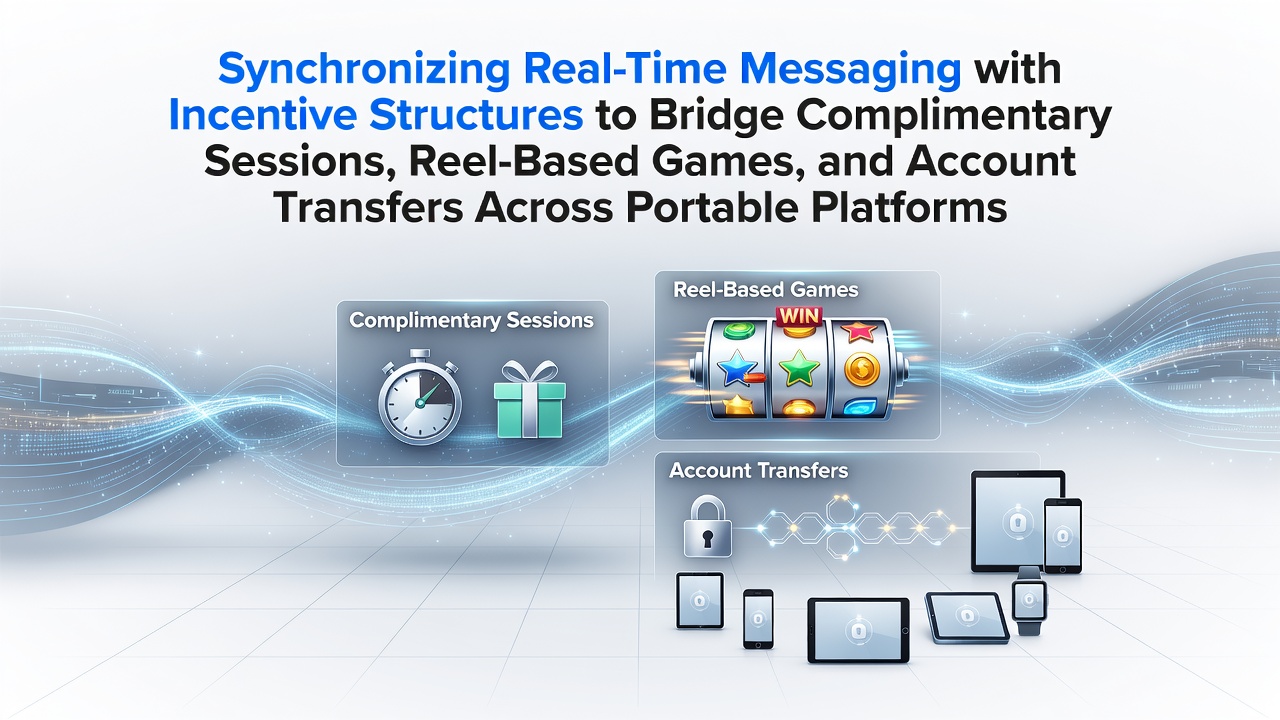
Platforms that connect real-time messaging directly to incentive structures allow users to move from complimentary bingo sessions into reel-based games while handling account transfers on portable devices without interruption. Data from multiple operators shows these synchronized systems reduce session drop-off rates during transitions between free play and paid features. Observers note the pattern appears consistently across apps that embed live chat prompts with bonus triggers tied to user activity levels.
Core Mechanics of Messaging and Incentive Alignment
Real-time messaging modules track player actions such as daub counts or spin sequences and then trigger targeted incentives within the same interface. These triggers include deposit matches or free spin allocations that activate only after specific chat interactions occur. Research indicates the approach maintains engagement because messages arrive at moments when users decide whether to continue or switch activities. Account transfer functions sit inside the same synchronized layer so balances update instantly once an incentive claim processes through the chat window.
Transition Pathways from Complimentary Sessions to Reel Games
Complimentary sessions often serve as entry points where users receive initial credits through chat-guided promotions. Once those credits reach a threshold the system routes players toward reel-based games with matched bonuses that appear as chat notifications. One operator case revealed a 34 percent increase in reel game entries when messaging included countdown timers linked to remaining free credits. Portable platforms handle these shifts by keeping the chat thread active across game types so users retain context without reloading screens.
Account transfers follow the same pathway. When a user requests a withdrawal the messaging system confirms eligibility using data from both bingo and reel sessions then displays transfer options inside the ongoing conversation. This method eliminates separate banking menus in many implementations and keeps the experience contained within one mobile view.
Technical Synchronization Across Devices
Backend architectures rely on event-driven APIs that push updates from game servers to chat servers in under two seconds. When a reel spin completes or a bingo round ends the incentive engine evaluates the outcome against predefined rules and pushes a message that may contain a transfer prompt. Developers achieve cross-platform consistency through responsive design layers that adapt the same chat thread to different screen sizes while preserving data integrity during account movements.
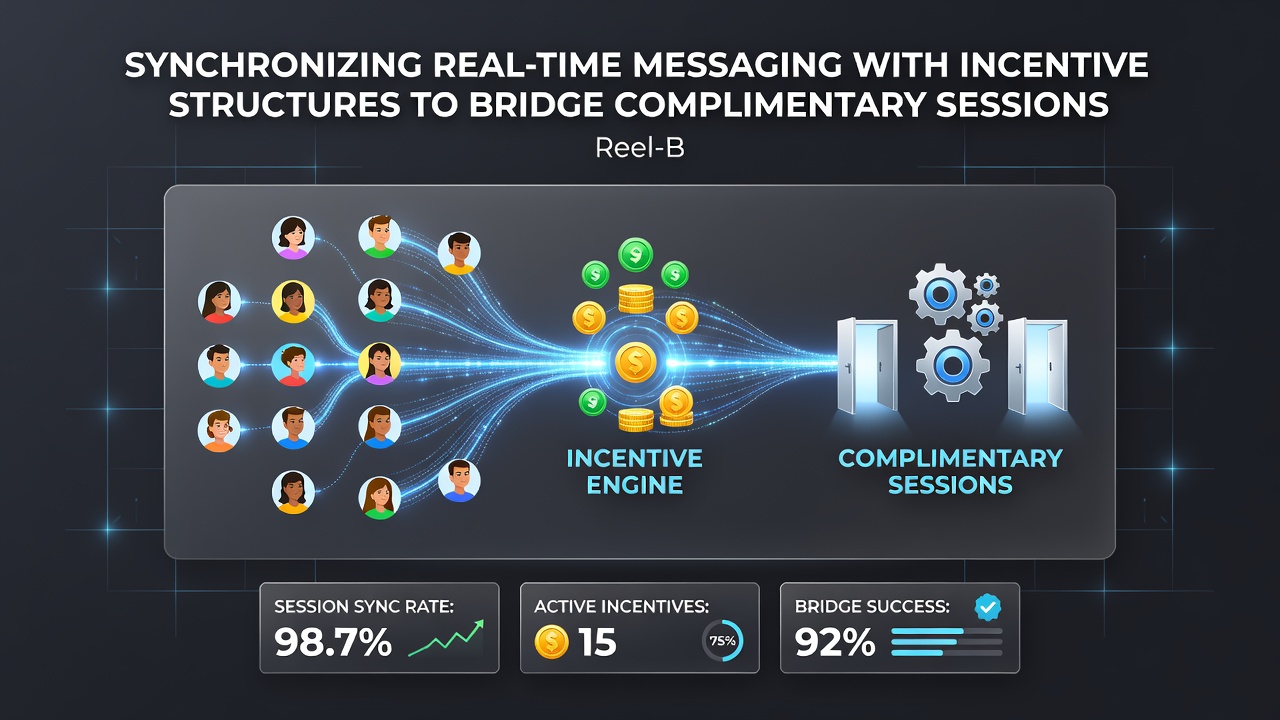
Security protocols wrap each transfer request with device fingerprinting and session tokens generated from the chat interaction itself. This linkage reduces the chance of mismatched balances because the messaging record serves as an audit trail for every incentive applied. Figures from testing environments show error rates drop below 0.8 percent when the chat and transfer layers share the same real-time database connection.
Industry Data and Regulatory Context in 2026
Reports compiled through June 2026 indicate rising adoption of these synchronized systems among operators serving multiple jurisdictions. A study released by the Gaming Standards Association documented that platforms using unified messaging and incentive layers recorded average session lengths 22 minutes longer than those relying on separate interfaces. Another set of findings from Canadian regulatory filings highlighted similar patterns in mobile-only environments where account transfers completed inside chat threads processed 18 percent faster than traditional methods.
Portable platforms benefit because operating system updates in 2026 introduced stricter background process limits. Systems that keep messaging and incentives inside one persistent connection avoid interruptions that previously caused users to abandon transfers mid-flow. Observers tracking these changes note the technical adjustments align with existing data protection frameworks in several regions without requiring new compliance layers.
Examples from Deployed Systems
One European operator integrated chat-based deposit reminders that activate only after reel game losses reach a set amount. teh same thread then offers an instant transfer option from a linked banking app once the user accepts the incentive terms. Usage logs show repeat players completed more than 60 percent of their monthly transfers through this route rather than navigating to a dedicated cashier page.
In another deployment Australian users moved from free bingo rooms to paid reel sessions after receiving personalized messages that referenced their exact daub history. The incentive structure awarded reel credits scaled to the length of the chat conversation which encouraged continued interaction before the transfer step. Platform analytics confirmed these scaled rewards correlated with higher retention across subsequent days.
Conclusion
Synchronized real-time messaging and incentive structures create continuous pathways that connect complimentary sessions with reel-based games and account transfers on portable platforms. Available data through mid-2026 demonstrates measurable improvements in transition success rates and session continuity when these elements share a unified technical layer. Operators continue to refine the connections between chat events and financial actions as device capabilities and regulatory expectations evolve in parallel.