Pathways for Promotional Credits: Live Guidance from Slot Engagements to Mobile Withdrawals
Petra Vogel · Aug 14, 2026
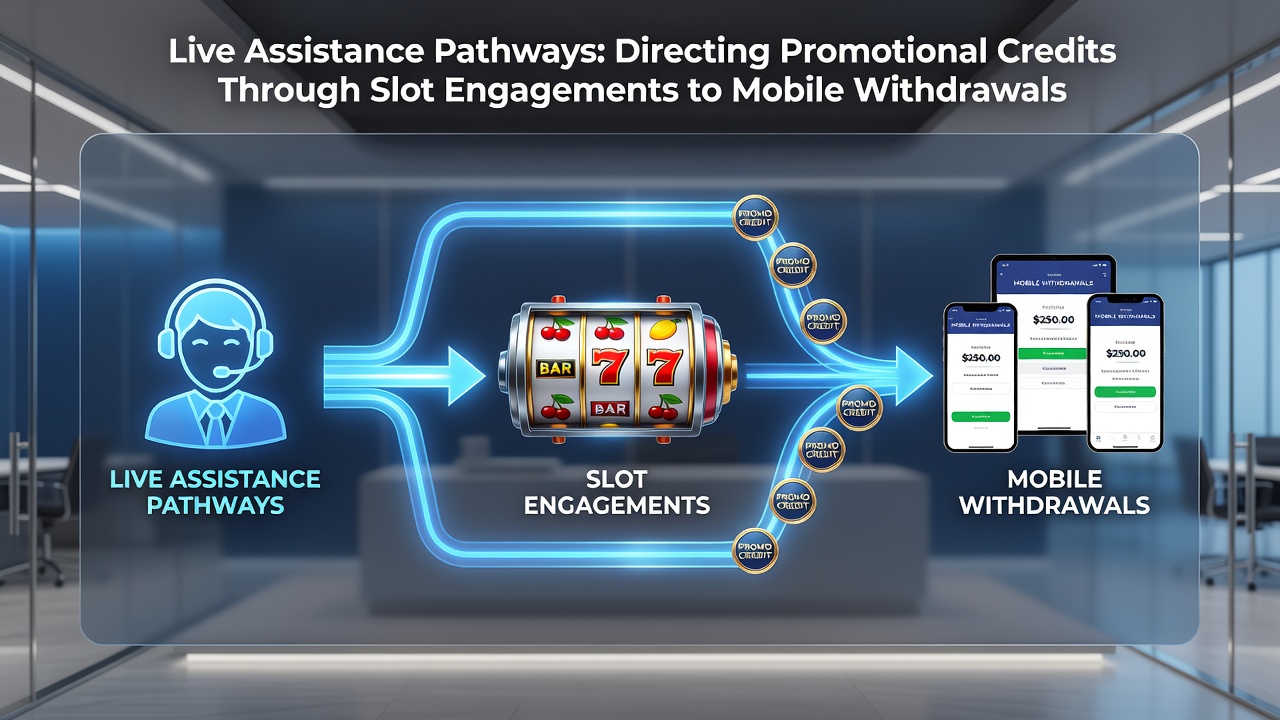
Pathways for Promotional Credits: Live Guidance from Slot Engagements to Mobile Withdrawals
Live assistance pathways have become central to how promotional credits move through digital gaming environments, particularly when users engage with slot activities before completing mobile withdrawals. Platforms structure these routes so that support teams can direct bonus funds earned in free play modes into active slot sessions, where engagement metrics often determine eligibility for larger payout options. Data from industry tracking services shows that such directed flows help maintain compliance with wagering requirements while streamlining the transition to cash transfers on mobile devices.
How Promotional Credits Enter Slot Cycles
Promotional credits typically originate from entry-level bingo or free room participation, then shift into slot engagements once users activate specific bonuses. Support staff monitor these transitions in real time, using chat interfaces to confirm that credits align with game rules before players spin reels. Research from the Canadian Centre on Substance Use and Addiction indicates that clear guidance during this phase reduces errors in bonus application and supports smoother progress toward withdrawal thresholds. Observers note that slot engagements serve as the key conversion point because many platforms tie credit multipliers directly to reel activity rather than static balances.
Role of Real-Time Chat in Credit Direction
Agents respond to queries about credit balances by outlining exact steps for slot activation, including which games contribute fully to playthrough conditions. This interaction often occurs while users remain in mobile sessions, allowing immediate adjustments if a selected slot falls outside promotional terms. Studies from the National Council on Problem Gambling highlight that timely interventions during these moments improve user retention across multiple regions, including parts of North America and Europe. What's notable is how these conversations integrate with backend systems that flag eligible credits for automatic routing once slot targets are met.
August 2026 marks the rollout of updated mobile transaction standards in several jurisdictions, where operators must demonstrate verifiable live support logs for all promotional credit movements. These requirements build on existing frameworks and emphasize documentation of slot engagement sequences leading to withdrawals. Platforms have adjusted their interfaces accordingly, embedding prompts that connect users with agents at critical decision points in the credit journey.
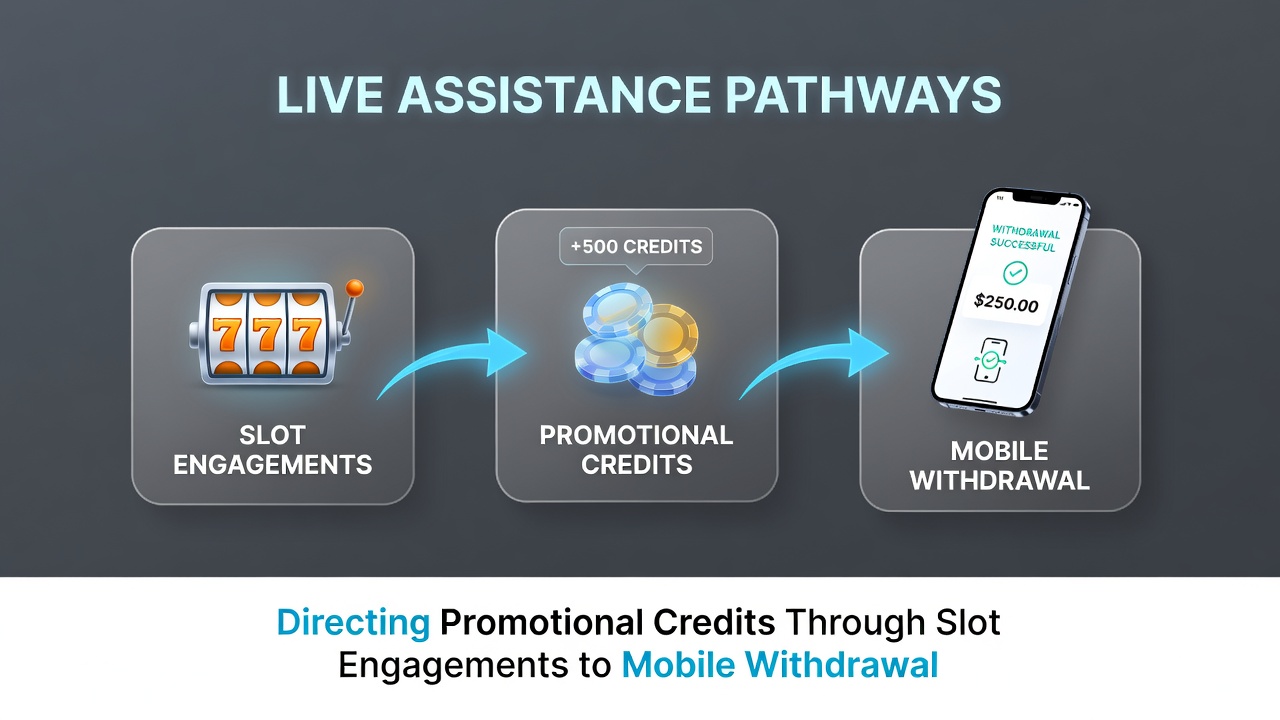
Slot Engagements as the Bridge to Mobile Withdrawals
Once credits enter slot play, engagement data determines when funds become eligible for transfer. Live agents review session logs to verify that required spins or bets have occurred, then authorize the shift toward withdrawal processing. Figures from gaming analytics providers reveal that this verification step accounts for a significant portion of successful mobile payouts in promotional cycles. The process avoids abrupt halts by combining automated checks with human oversight during peak activity periods.
Users frequently encounter scenarios where slot selections affect final withdrawal speed. Support pathways address this by supplying lists of qualifying games and explaining how partial credit use in non-contributing titles can delay access to funds. According to reports issued by the National Council on Problem Gambling, structured guidance in these areas correlates with higher completion rates for cashout requests across mobile platforms. Agents also handle exceptions, such as when system glitches interrupt credit tracking, by manually confirming activity and rerouting balances.
Technical Integration Behind Credit Flows
Backend systems link promotional ledgers with slot servers and mobile banking modules, creating a continuous record of credit movement. Live assistance activates when automated flags detect mismatches between expected and actual engagement levels. This setup allows agents to intervene with precise instructions rather than generic responses. Data collected through these pathways feeds into compliance reports that operators submit to regional authorities, ensuring promotional activities remain within defined boundaries.
Examples from operational logs show agents guiding users through multi-step verifications, including confirmation of device compatibility for instant transfers. Such steps become especially relevant when platforms introduce new slot titles that carry different contribution rates. The result is a layered process where slot engagements function as both entertainment and procedural checkpoints before mobile withdrawals finalize.
Conclusion
Live assistance pathways continue to shape how promotional credits travel from initial offers through slot engagements and into mobile withdrawals. These systems rely on coordinated chat support, real-time data verification, and regulatory alignment to maintain operational integrity. As standards evolve by August 2026, the emphasis on documented credit routes is expected to strengthen further across international markets.