Online Bingo Evolves With Mobile Technology and Cross-Platform Innovations
Petra Vogel · Jul 28, 2026
Online Bingo Evolves With Mobile Technology and Cross-Platform Innovations
Online bingo has grown from simple web-based number matching into a connected experience that blends real-time interaction with mobile accessibility, and operators continue to refine these platforms to match shifting player habits while maintaining core game mechanics. Numbers appear on digital cards in virtual rooms where participants mark matches automatically or manually, and integrated chat systems let users exchange messages during rounds without leaving the interface.
Core Mechanics Behind Digital Bingo Sessions
Participants join themed rooms through browser or app interfaces, select ticket bundles, and watch as random number generators produce calls at set intervals, while algorithms ensure each draw remains independent and fair according to established standards. Progressive jackpots accumulate across multiple rooms when players purchase optional side bets, and these pools reset after winners claim prizes through automated verification processes. Many platforms now embed slot-style bonus rounds that activate after certain daub patterns appear, creating layered gameplay that extends session length without altering the fundamental bingo structure.
Mobile Devices Drive Expanded Participation
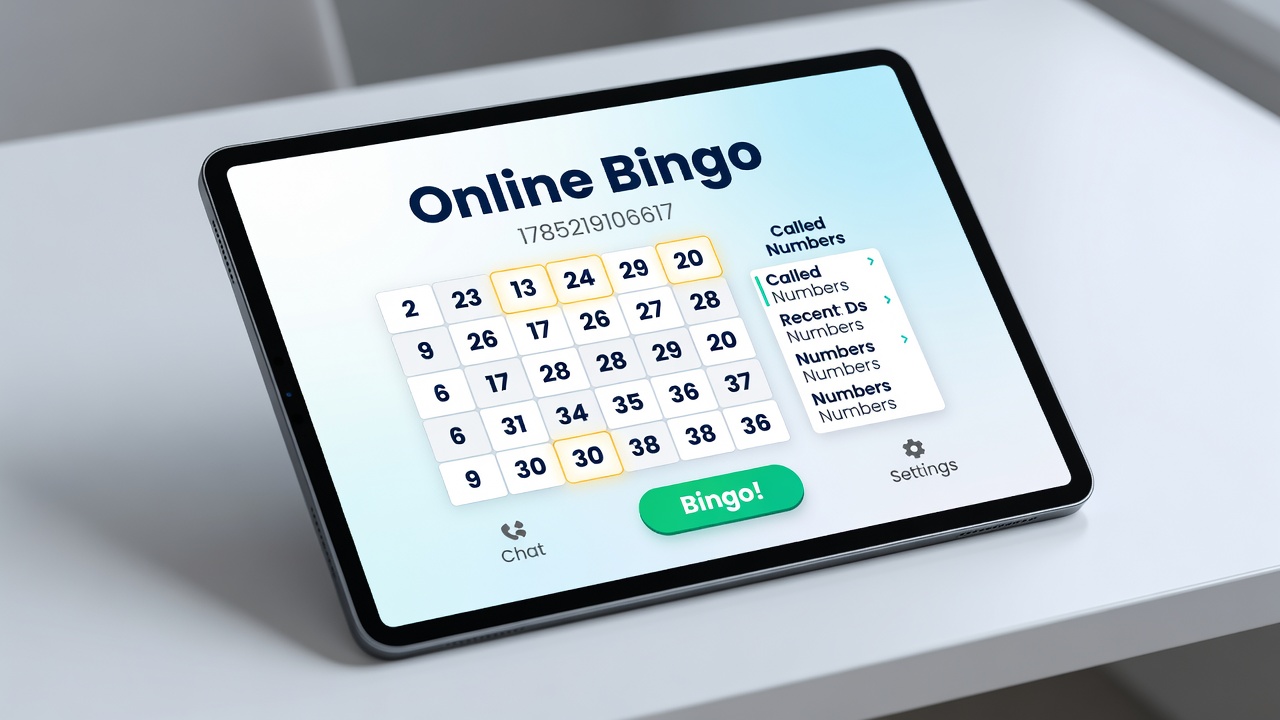
Smartphone usage accounts for the majority of session starts in recent industry tracking, as apps deliver push notifications for room openings and allow quick deposits via stored payment methods. Tablets and phones support both portrait and landscape views, which helps users follow multiple cards during busy periods, and developers optimize touch controls so marking numbers feels responsive even on smaller screens. Data from the European Gaming and Betting Association shows continued growth in mobile bingo traffic across several markets, reflecting broader patterns in digital entertainment consumption.
Observers note that cross-device synchronization lets players begin a session on a desktop at home and resume on a phone during travel, because cloud-based accounts store purchased tickets and chat histories in real time. This continuity reduces friction and encourages repeated visits, while battery-efficient coding keeps the experience viable during extended play without rapid power drain.
Player Engagement Tools and Community Features
Live moderators host themed events that include music playlists or seasonal decorations within the room graphics, and these additions create a social layer beyond pure number matching. Users form groups around shared interests, exchanging strategies or simply commenting on draws, while automated moderation tools filter inappropriate language to maintain welcoming environments. Some operators partner with charities for special charity rooms where a portion of ticket sales supports designated causes, providing an additional motivation for participation during scheduled events.
Regulatory Developments and Market Stability
Jurisdictions outside the United Kingdom continue to update licensing frameworks to address online bingo specifically, with emphasis on player protection measures such as deposit limits and reality checks that appear at regular intervals. In July 2026 several regional authorities plan to review data caps on promotional bonuses, aiming to balance operator flexibility with consumer safeguards as mobile adoption accelerates. Industry reports indicate steady revenue figures in established markets, with operators investing in localization for non-English language support to reach wider audiences.
Research from the New Zealand Gambling Commission archives highlights how responsible gambling messaging integrates directly into bingo interfaces, appearing as optional pop-ups rather than disruptive interruptions. These approaches allow players to set personal session timers or spending alerts, and the same systems track aggregate behavior to identify patterns that may warrant further support resources.
Looking Ahead to Integrated Gaming Experiences
Future updates focus on embedding bingo within broader entertainment ecosystems, where players transition seamlessly between bingo rooms and adjacent slot or instant-win titles using shared wallets. Artificial intelligence assists in personalizing room recommendations based on past activity, while maintaining transparency about how suggestions are generated. Operators test virtual reality previews that let users explore stylized bingo halls before committing to a session, though adoption remains gradual due to hardware requirements.
Conclusion
Online bingo maintains its identity as an accessible numbers game while incorporating technological refinements that align with contemporary device usage and social expectations. Continued attention to regulatory balance and player tools supports sustained participation across diverse demographics, and the format's adaptability suggests further evolution alongside broader digital entertainment trends.