Navigating Reward Structures in Mobile Gaming Platforms Linking Introductory Rooms to Reel-Based Games and Rapid Fund Transfers
Petra Vogel · Jul 12, 2026
Navigating Reward Structures in Mobile Gaming Platforms Linking Introductory Rooms to Reel-Based Games and Rapid Fund Transfers
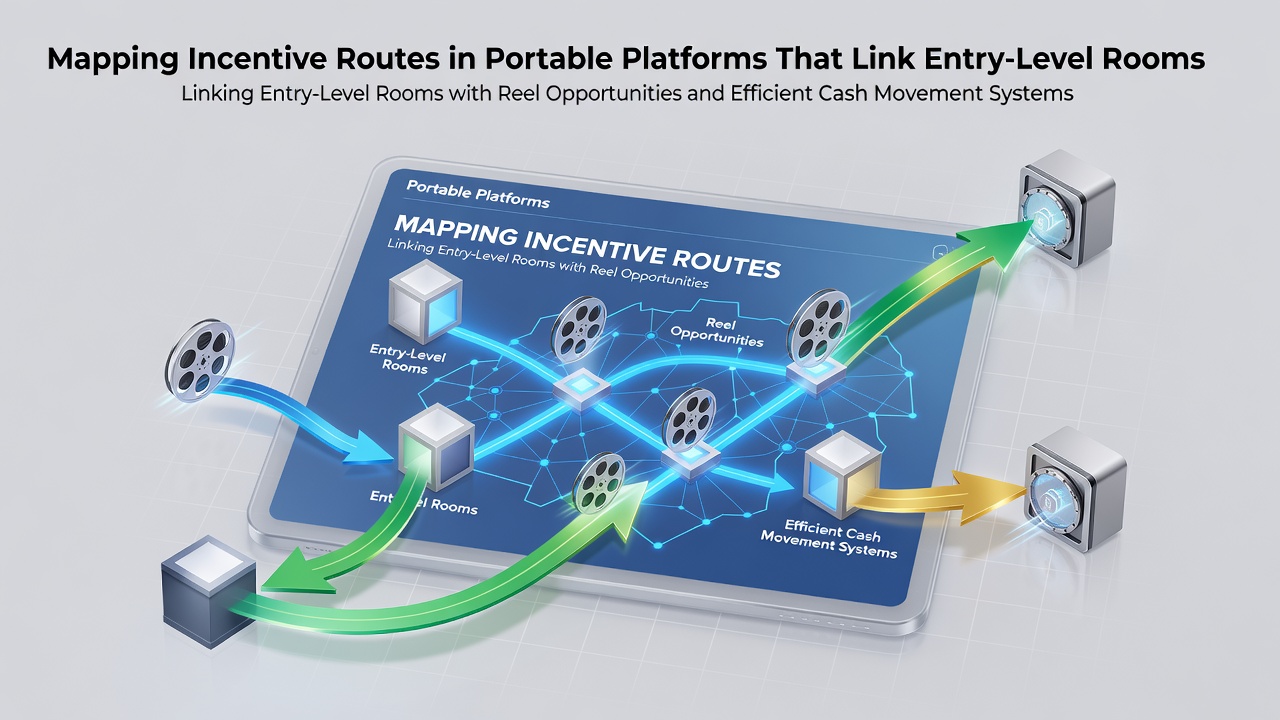
Portable platforms have developed structured pathways that connect basic entry rooms with more advanced reel features while maintaining systems for quick financial movements, and these structures rely on mapped incentives that guide user progression through defined stages. Data from industry analyses shows that such platforms organize entry points around free or low-cost rooms before directing attention toward reel opportunities that include slot-style games with varying prize potentials.
Core Elements of Incentive Mapping
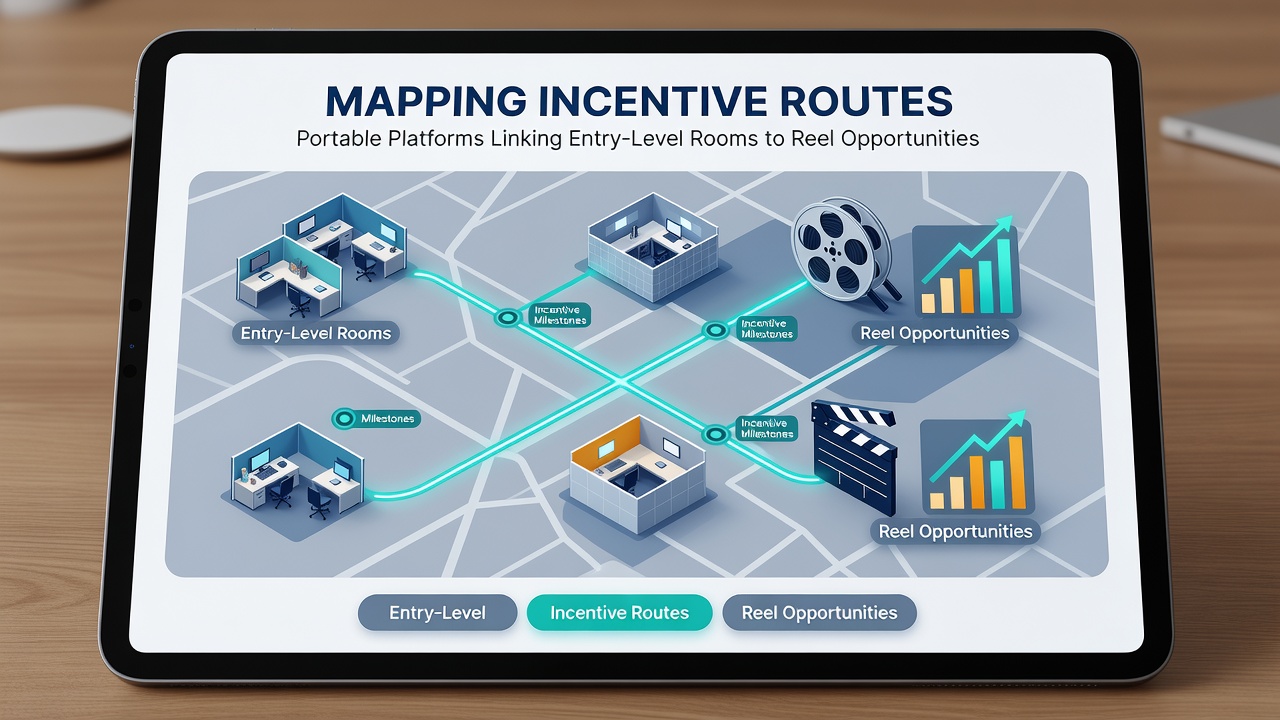
Mapping processes begin with identification of entry-level rooms that offer initial access points without requiring deposits, and these rooms often feature simple mechanics that introduce users to platform navigation. Observers note that platforms then layer promotional elements onto these rooms, creating visible routes that highlight transitions to reel-based sections where spinning mechanics and jackpot elements appear. Studies from research institutions indicate that clear signage within apps and notification systems help maintain flow between these areas without abrupt shifts.
Reel opportunities typically involve video slots integrated into the same mobile interface, allowing users who start in basic rooms to encounter bonus triggers that unlock additional game modes. According to reports from the American Gaming Association, mobile integration has increased the visibility of these reel features across regions outside traditional markets. Platforms implement tracking that records user movement from one section to another, which then informs adjustments to incentive placement.
Systems Supporting Efficient Cash Movement
Efficient cash movement systems operate alongside these mapped routes through integrated banking tools that process deposits and withdrawals within the same application environment. Research indicates that transaction speeds have become a measurable factor in platform design, with many systems supporting instant or near-instant transfers once verification steps complete. Those who monitor mobile gaming trends point to simplified verification processes that reduce delays between reel activity and fund access.
Promotional ladders frequently appear as part of the mapping, where participation in entry rooms accumulates points or credits that convert into reel opportunities or direct cash equivalents. Data shows that these ladders often include time-limited elements that encourage continued movement through the platform structure. In July 2026, several operators plan to align their cash movement timelines with updated regional standards that emphasize transparency in transfer reporting.
Role of Support Channels in Route Guidance
Live support features function as navigational aids within these portable systems, providing real-time responses that clarify how incentives connect different room types to reel sections. Industry organizations have documented that chat interfaces often include prompts directing users toward available promotions that bridge basic play with higher-stakes reel games. Such channels also handle queries related to cash movement, confirming status of transfers without requiring users to exit the main interface.
One documented case involved a platform that introduced visual route indicators showing progress from free rooms toward reel jackpots, and this change coincided with measurable increases in cross-section activity according to internal metrics shared in trade publications. Another example revealed that platforms using automated alerts about pending cash movements maintained higher retention rates across mapped pathways compared to those without such notifications.
Regional Variations in Platform Design
Design approaches differ by region, with European operators emphasizing regulatory compliance in their incentive maps while North American platforms focus on integration speed between rooms and reels. A University of Nevada study on mobile gaming patterns found that users in different jurisdictions respond to incentive placement at varying rates, influencing how platforms adjust their mapping strategies. Australian regulatory bodies have published guidelines that encourage clear disclosure of how entry-level participation leads to reel access and subsequent cash options.
Portable platforms continue to refine these connections through data collection that tracks which route segments produce the highest completion rates from initial rooms to final cash movements. Evidence suggests that combining reel opportunities with visible progress markers helps sustain engagement across the full cycle without requiring external direction.
Conclusion
Portable platforms that map incentive routes effectively create continuous links between entry-level rooms, reel opportunities, and cash movement systems by using structured promotions, support tools, and transaction features. Information from multiple regional sources demonstrates that these mappings adapt over time in response to usage data and regulatory updates, including those scheduled around July 2026. The result remains a system where progression through sections occurs within a single mobile environment supported by observable pathways and measurable transaction processes.