Digital Pathways in Gaming Halls: Linking Support, Bonuses, and Cross-Game Payouts
Freya Becker · Jun 9, 2026
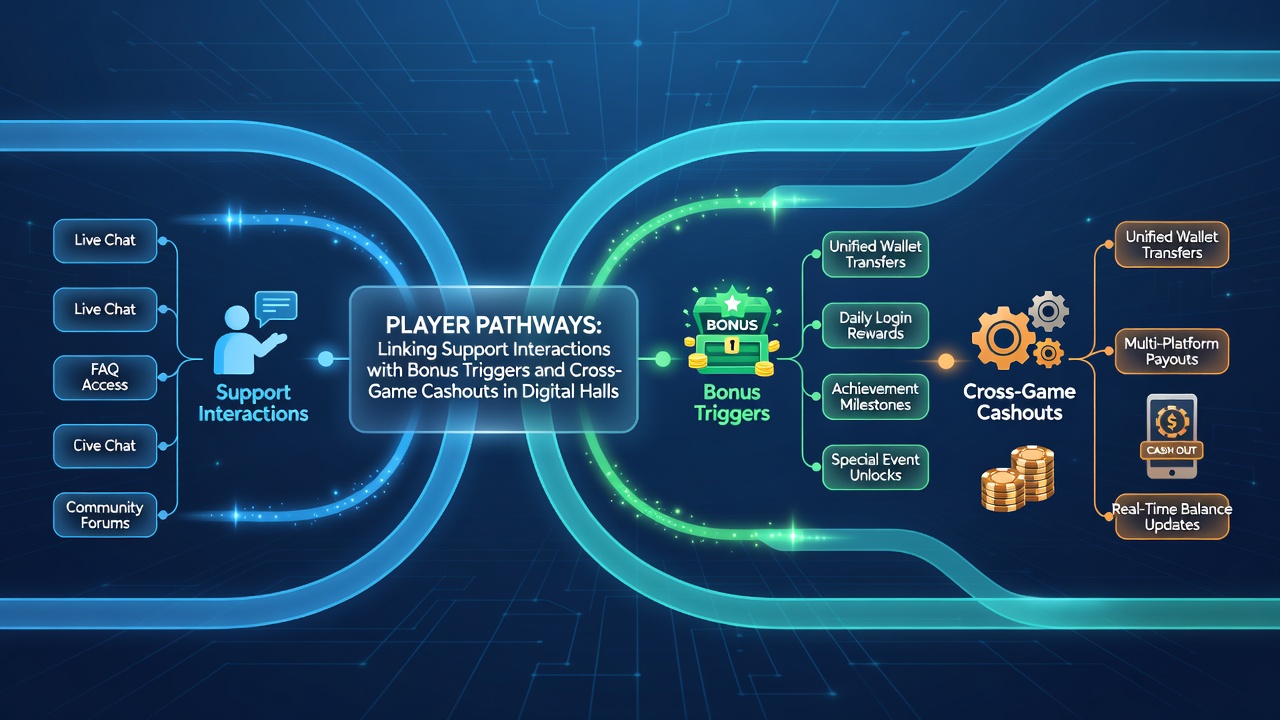
Digital Pathways in Gaming Halls: Linking Support, Bonuses, and Cross-Game Payouts
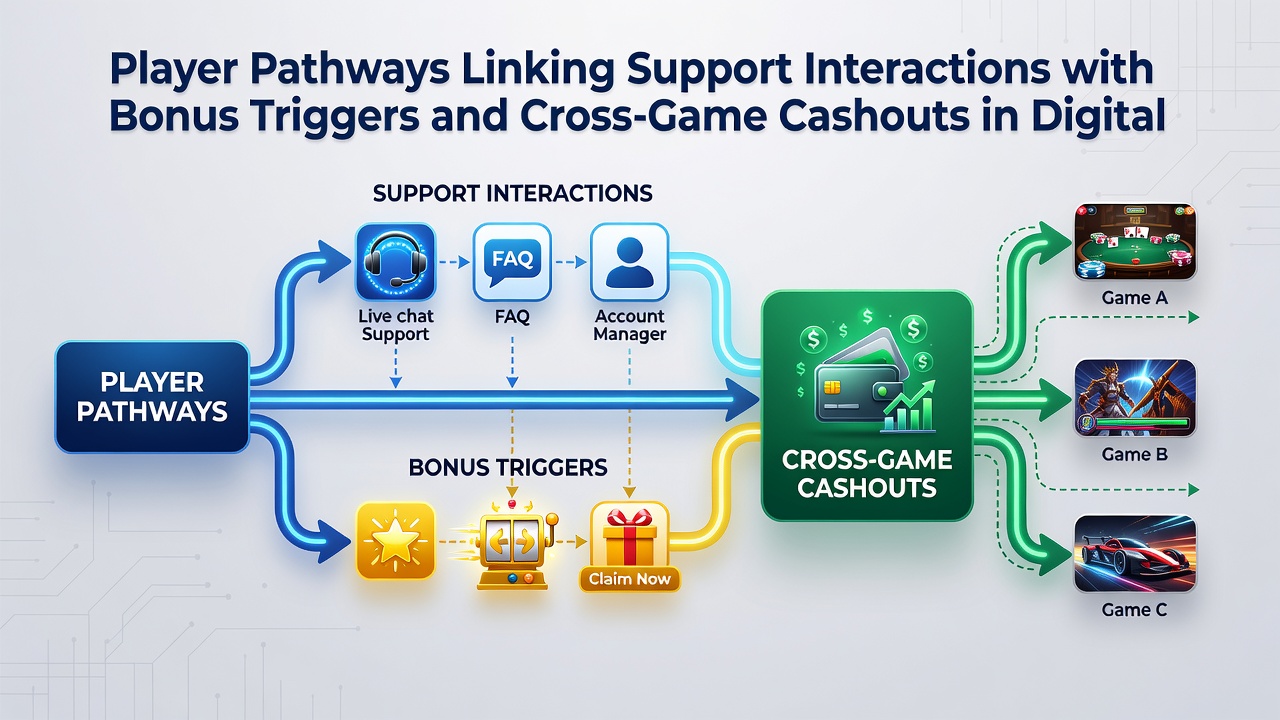
Player pathways in digital halls connect multiple elements including live support interactions, bonus activation points, and cashout mechanisms that span different game types. These routes allow participants to move between bingo rooms, slot interfaces, and promotional features while maintaining continuity in their account balances and reward progressions. Data from industry tracking systems show that structured pathways reduce friction during transitions, enabling quicker access to triggered bonuses after support-assisted queries.
Support staff in these environments handle queries that often lead directly to bonus eligibility checks. When a participant reaches out via chat about a stalled promotion, representatives guide them through verification steps that unlock the next trigger in the sequence. This process integrates with backend systems that flag eligible accounts for immediate bonus application across linked games, creating a seamless handoff from inquiry to activation.
Support Interactions as Entry Points
Live chat functions serve as primary gateways in many digital halls, where initial contacts frequently evolve into bonus pathway initiations. Operators log these exchanges to identify patterns, such as repeated questions about specific promotions that correlate with higher rates of cross-game engagement. Research from the European Gaming and Betting Association indicates that platforms investing in trained support teams see measurable increases in successful bonus redemptions within the first 48 hours of player contact.
Those who study user behavior note that support responses often include embedded links or codes that feed into automated bonus systems. This method ensures that the interaction does not end at information delivery but extends into active pathway progression toward slot features or jackpot rooms. Observers note consistent improvements in completion rates when support scripts align with real-time bonus availability data.
Bonus Triggers and Their Role in Game Transitions
Bonus triggers activate at defined milestones, such as completing a set number of daubs or reaching wager thresholds in slots. These triggers then feed into broader player routes that encourage movement between game categories without resetting progress. Systems monitor these events to apply layered rewards that carry over, maintaining momentum across bingo sessions and slot sequences.
Promotional structures often layer multiple bonuses so that one activation opens access to secondary features in different games. Data shows participants following these routes complete more transactions per session compared to those navigating isolated game areas. The design relies on clear mapping that support teams reference when assisting users who encounter unclear trigger conditions.
Cross-Game Cashouts and Integration Points
Cashout functions in digital halls extend across game types through unified wallet systems that recognize prior bonus activity and support resolutions. When a player initiates a withdrawal after a slot sequence funded by a bingo-linked promotion, the process accounts for any active triggers to apply correct terms automatically. This integration minimizes delays and aligns with regulatory timelines that take effect in various jurisdictions by mid-2026.
Transaction logs reveal that pathways incorporating support guidance achieve higher successful cashout rates, particularly when queries involve bonus eligibility before withdrawal requests. Platforms update these systems periodically to handle multi-game histories, ensuring that funds from different sources process under consistent verification rules. Figures from platform analytics demonstrate reduced abandonment during cashout stages when pathways remain visible to both players and support personnel.
June 2026 Platform Adjustments
Scheduled updates in June 2026 introduce standardized pathway indicators across major digital halls, allowing support interactions to reference shared bonus maps regardless of the originating game. These changes aim to unify how triggers display during live chats and how cashout options appear after cross-game play. Industry reports suggest operators testing similar features already report smoother handoffs between support resolutions and payout approvals.
Implementation focuses on backend compatibility that preserves existing player data while adding visual cues for upcoming triggers. This approach supports continued movement between game types without requiring users to restart verification processes for each transition.
Conclusion
Player pathways that connect support interactions with bonus triggers and cross-game cashouts form structured routes within digital halls. These connections rely on integrated systems that track eligibility, apply rewards, and process withdrawals across multiple game formats. Continued refinements, including those planned for June 2026, focus on maintaining clarity during each stage of the journey.