Digital Bingo Platforms: Exploring International Markets and Innovation Trends
Paul Reed · Aug 16, 2026
Digital Bingo Platforms: Exploring International Markets and Innovation Trends
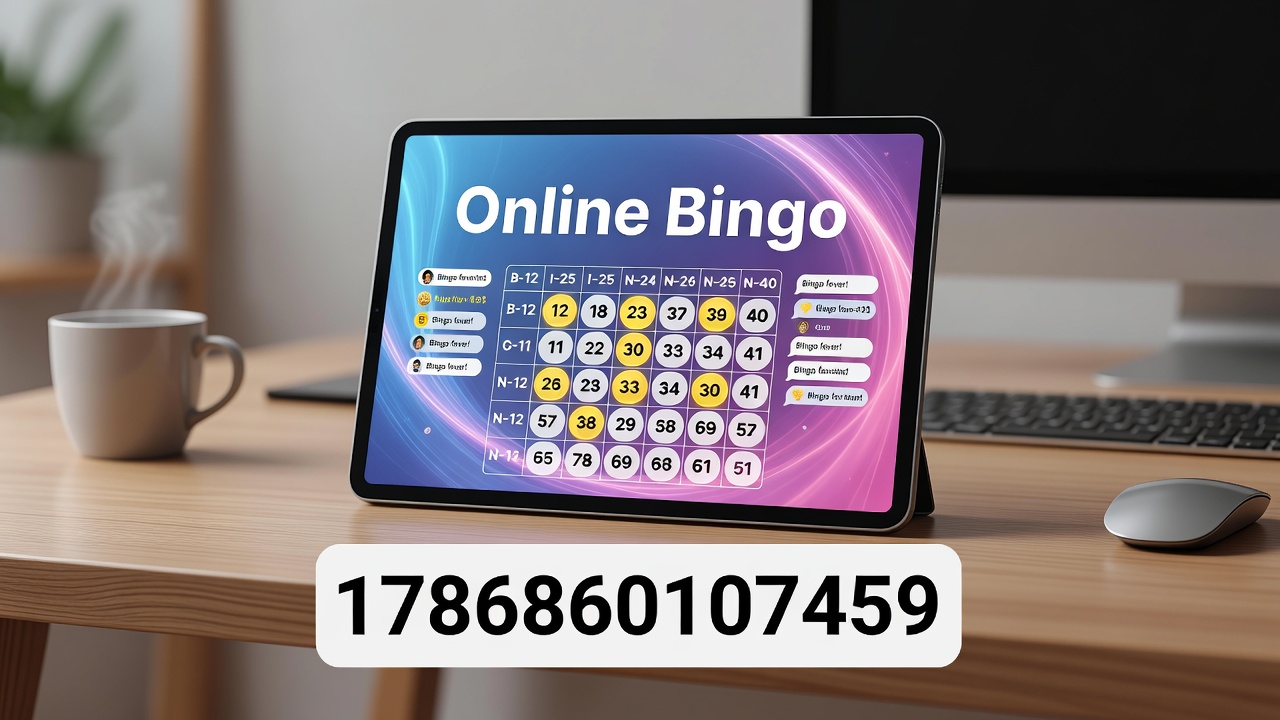
Online bingo has expanded across various regions since its early internet days in the late 1990s when basic websites first offered virtual versions of the traditional game, and data from industry reports show steady growth in user numbers through the 2000s and into the present decade. Players access these platforms via desktop computers or mobile devices where random number generators determine outcomes while chat functions allow real-time interaction among participants from different countries. Research indicates that participation rates have risen particularly in Europe, North America, and parts of Asia as broadband access improved and smartphone ownership increased.
Platform Features and Gameplay Mechanics
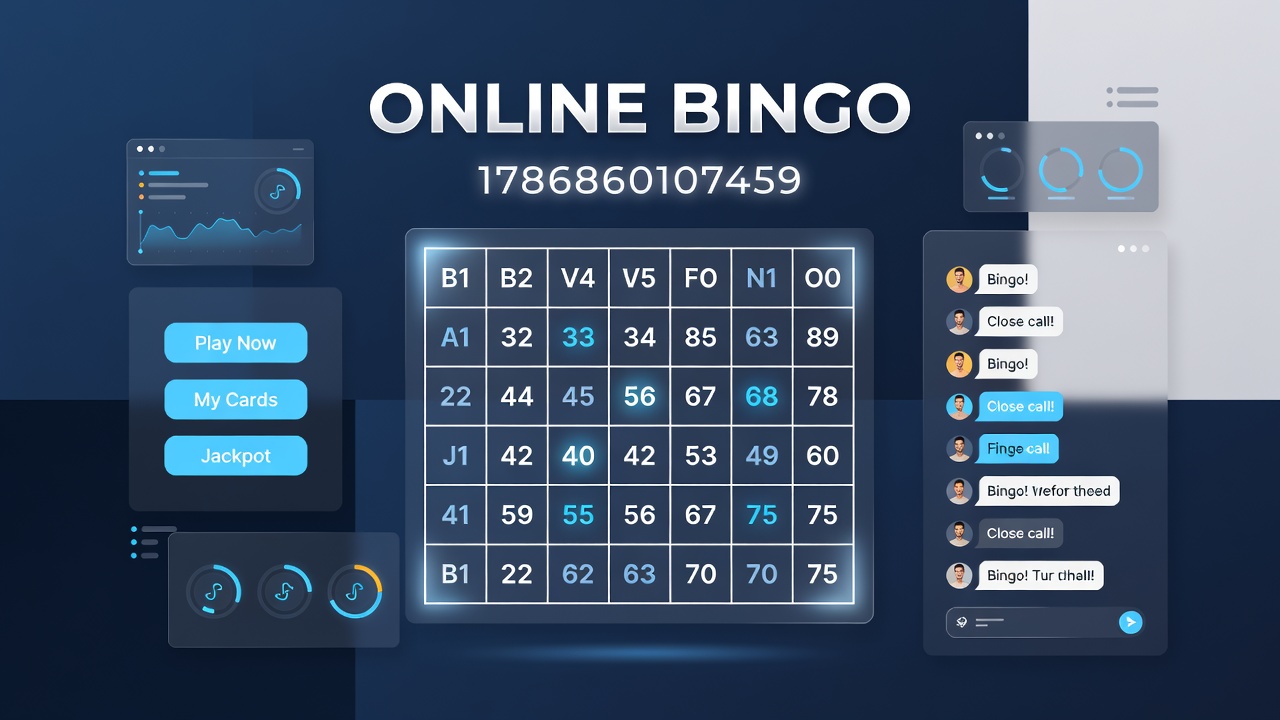
Modern online bingo sites typically feature rooms with varying ticket prices and prize structures while some incorporate additional elements such as side games or progressive jackpots that accumulate across multiple sessions. Users select cards with numbered grids then watch as numbers are called automatically or through live hosts in certain setups, and this process mirrors land-based halls yet occurs in digital environments where software handles the draws instantly. Observers note that many platforms now include adjustable speed settings so participants can choose between slower paced games suited for social chat or faster variants that complete rounds in under a minute.
Security measures on established sites involve encryption protocols for financial transactions along with age verification systems that comply with local laws in each jurisdiction, and figures from regulatory bodies reveal that licensed operators must maintain separate player funds to protect against operational issues. Those who have examined the sector find that integration with payment providers like e-wallets and bank transfers has become standard while some regions experiment with cryptocurrency options for deposits and withdrawals.
Market Expansion Across Regions
In Canada data collected by provincial gaming authorities show increasing numbers of licensed online bingo offerings that operate alongside traditional lotteries whereas in Australia state-level regulations have shaped how platforms function under the Interactive Gambling Act with updates expected to influence cross-border access by August 2026. European markets demonstrate varied approaches with some countries maintaining strict licensing through national bodies while others allow multiple operators to compete under harmonized standards from the European Union. Research from academic institutions such as those affiliated with the Responsible Gambling Council highlights demographic shifts where younger adults participate more frequently through mobile apps compared to older groups who prefer desktop versions.
Asia presents emerging opportunities as countries like Japan and South Korea explore regulated frameworks for digital gaming while existing markets in the Philippines have already integrated bingo into broader online entertainment portfolios. Those studying these trends report that cultural adaptations often appear in themed rooms or localized number-calling styles that resonate with regional audiences yet the core mechanics remain consistent across borders.
Technological Developments and Player Tools
Artificial intelligence now assists in personalizing game recommendations based on past activity patterns while chat moderation tools help maintain appropriate environments during peak hours when thousands log in simultaneously. Developers have introduced augmented reality features in select applications that overlay virtual elements onto physical spaces though adoption remains limited to experimental releases as of mid-2026. Data indicates that push notifications and loyalty programs encourage repeat visits with some platforms tracking session durations to offer tailored bonuses that align with responsible play guidelines from organizations like the Gambling Help Online service in Australia.
Accessibility options include screen reader compatibility and adjustable contrast modes that support players with visual impairments while multi-language interfaces expand reach to non-English speakers. Experts have observed that these enhancements contribute to broader inclusion without altering the fundamental random nature of the draws themselves.
Conclusion
Online bingo continues to evolve through a combination of regulatory adjustments, technological upgrades, and shifting player preferences across international landscapes. Information from diverse sources underscores how platforms balance entertainment with compliance measures in an expanding digital ecosystem that shows no signs of slowing. As new features roll out around August 2026 in select markets the focus remains on maintaining secure and engaging experiences for participants worldwide.